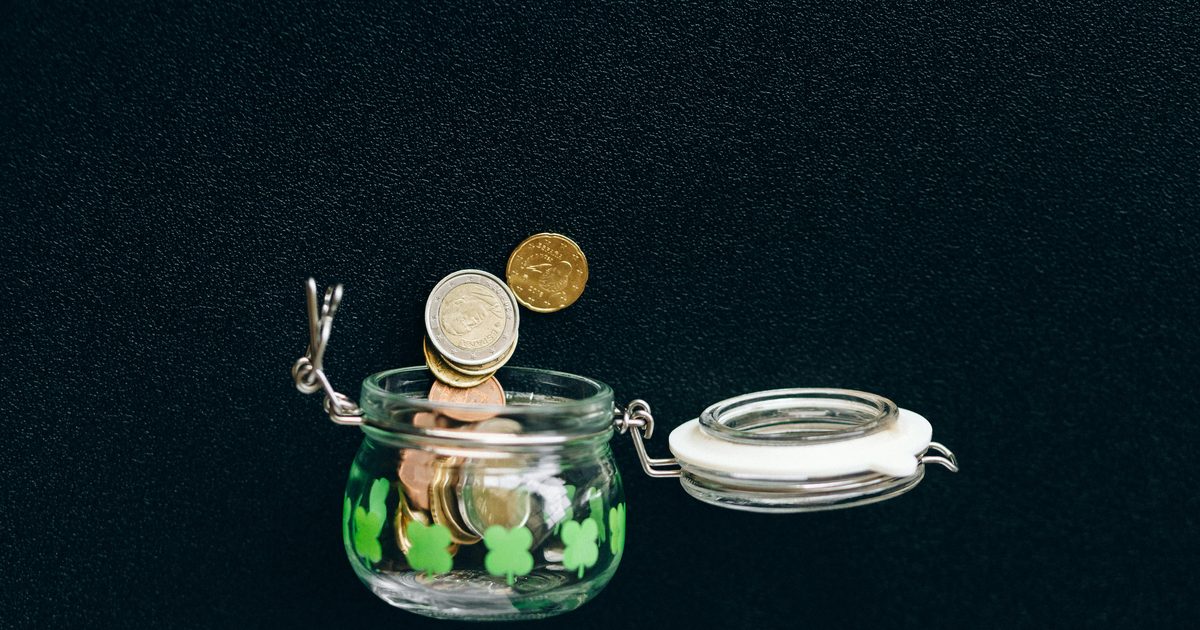
There are dozens of ways to teach kids about money. Apps, allowances, percentage rules, complex banking arrangements with grandparents. Most of them work — eventually, for some kids, with enough discipline.
The three-jar method works tomorrow, for almost every kid, with almost no parent discipline required. Here's why it outperforms most of the alternatives, and how to set it up tonight.
Why three jars (and not one)
A single piggy bank teaches one thing: put money in. The three-jar method teaches three things at once, every time money comes in:
- Save: there are things worth waiting for.
- Spend: it's okay to enjoy money now, in small amounts, on purpose.
- Share: money can be a tool to help someone else.
The choice is the lesson. Without three jars, the choice is invisible. With three jars, every dollar your kid touches becomes a tiny opportunity to think.
The setup, in five minutes
You need three clear jars (mason jars work, plastic deli containers work, an old peanut butter jar works). You need three labels. You need a kid who's old enough to understand sorting — usually around age four.
Don't fancy this up. Don't laminate. Don't make a Pinterest-induced project that takes you two hours. Hand your kid the jars, hand them markers and stickers, and let them go. The decoration is the buy-in.
Now wait for the next money event: birthday cash, tooth fairy, found change, the dollar from grandpa. When it arrives, ask: "Which jar gets it? Or do you want to split it?"
That's the entire ritual.
The conversations it creates
Here's what catches most parents off guard: the three jars do most of the talking for you.
Your kid sees their Spend jar fill up faster than Save (or vice versa). They notice. They ask why. You answer.
Your kid wants something that costs more than what's in their Spend jar. They want to pull from Save. "That's allowed, but then your saving goal takes longer. What do you want to do?" You haven't lectured. You've offered a choice with consequences your kid can see.
Your kid wants to give Share to a specific person — their cousin's cancer treatment, the food drive at school, the dog rescue. They start choosing what generosity means to them.
You didn't engineer any of these moments. The jars did.
When percentages don't work for kids
Some money-teaching systems insist on rules: 50% Save, 30% Spend, 20% Share. If you want to do percentages, fine. But for most kids under seven, percentages are abstract math, and abstract math is the enemy of habit-building.
Let your kid sort however feels right to them at the start. (Some weeks all of it goes to Spend. That's fine.) Watch what happens over a few months. They naturally start balancing it themselves once they have a savings goal they care about.
The percentages aren't the lesson. The sorting is.
The long game
A kid who has used three jars from age four arrives at age fourteen with something most teenagers don't have: an instinct that says, some of this gets spent, some waits, some helps someone else. Not as a rule someone imposed. As the way money has always worked, in their hands, since before they could read.
That instinct is worth more than any allowance system. And you can start it with three jars and a Tuesday afternoon.